Your business requires regular cleaning scheduled according to risk factors, operational volume, allergen concerns, and health inspections, plus documented records supporting food safety protocols, inspection results, and government health requirements. The information below detail essential sanitation program components.
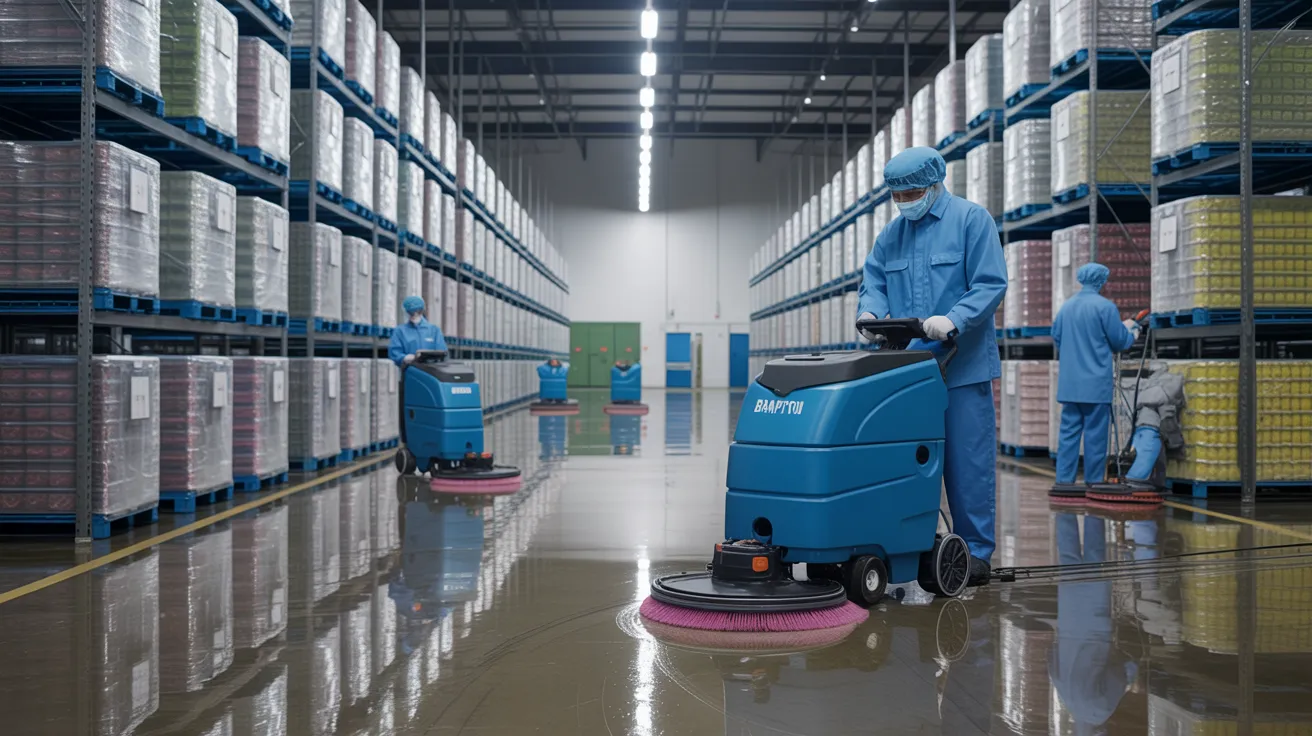
Essential Summary
- Brampton sanitation experts service restaurants, grocery departments, commissaries, warehouses, bakeries, schools, mobile vendors, and allergen-sensitive operations.
- Frequently contacted areas, food-contact equipment, kitchens, floors, drains, restrooms, and storage areas are disinfected using area-specific procedures to eliminate cross-contamination.
- Filing of finalization through checks, reviews, and remedial documentation confirms trained providers have confirmed proper chemical concentration, compatibility, and contact time.
- Threat, output capacity, transitions, accidents, and guidelines need to guide sanitation schedules, with routine, periodic, and periodic activities distributed by zone.
- Coverage, coded instruments, HACCP, public-health understanding, safety training education, references, and audit-ready maintenance paperwork are critical vendor characteristics.
Brampton Establishments That Need Food Safety Cleaning: Which Ones?
Food safety cleaning is necessary for any Brampton facility that deals with, keeps, prepares, packages, or provides food. Apply it to your operation if it comes under public health inspection, food premises regulations, or internal HACCP-based controls. This includes restaurants, cafeterias, commissaries, grocery food departments, butcher shops, seafood counters, convenience stores, and institutional kitchens.
You also need proper hygiene cleaning in warehouses, food manufacturing plants, cold storage sites, retail bakeries, school nutrition programs, banquet halls, and meal delivery hubs. Mobile and temporary operations count too, including food trucks, event vendors, and temporary booths. If your staff handle ingredients, section prepared foods, heat finished items, or keep allergens stored, your facility needs documented cleaning protocols. In Brampton, sanitation isn't voluntary; it's part of legal, operational, and consumer protection compliance.
Which Areas Do Brampton Cleaning Experts Cover?
Your operation needs cleaning professionals who disinfect frequently contacted surfaces, kitchens, floors, and restrooms to maintain food safety compliance and public health standards. These zones receive attention due to their elevated cross-contamination potential, trip and slip dangers, and breaches of sanitation codes.
If you grasp what they sanitize, you'll be able to confirm your operation satisfies all operational and regulatory compliance needs.
Sanitizing High-Touch Areas
Managing high-touch surface sanitizing is essential for Brampton maintenance professionals because contact points can transmit pathogens and contaminants around a establishment. You should establish a documented schedule for sterilizing door handles, push plates, switches, railings, shared equipment controls, POS terminals, and refrigerator pulls. Employing contact point analysis, teams determine every frequently handled area and assign cleaning frequency
check that cleaning was effective
Food Prep Areas, Flooring, and Sanitary Facilities
Brampton cleaning services focus on kitchens, floors, and restrooms as each zone presents different food safety, accident, and public health risks. In industrial kitchens, you need grease removal from cooking stations, appliance surfaces, drain systems, preparation areas, and backsplashes to reduce bacterial growth and pest activity.
You should also expect documented flooring maintenance. is likewise provided as part of the service.
Restroom cleaning requires decontaminating touchpoints, fixtures, partitions, dispensers, and waste containers, restocking supplies and controlling odours. They also maintain restaurant cleaning supply rooms where product storage, sink cleanliness, and drain systems impact daily sanitation standards and worker protection.
Why Food Safety Cleaning Matters in Brampton
Brampton operations require food-safe cleaning standards to fulfill health code requirements and pass inspections. You also minimize bacterial spread through proper cleaning of food-preparation surfaces, appliances, and frequently-touched items. Most importantly, you help protect community wellness by reducing the chance of food poisoning in your establishment.
Health Code Compliance
Since Brampton food companies must follow rigorous sanitary regulations, your hygiene maintenance directly impacts your capacity to satisfy health codes, ensure the safety of diners, and prevent regulatory penalties. You must maintain hygienic food handling zones, recorded sanitation plans, safe chemical management, and verifiable staff procedures that correspond to municipal and provincial inspection expectations.
Failure to maintain cleaning standards results in notices, remedial directives, loss of reputation, and temporary closure during follow-up inspections or compliance reviews.
Cross-Contamination Prevention
Maintaining health code standards copyrights on your power to stop cross-contamination during daily food handling and cleaning. You must separate raw ingredients from ready-to-eat foods, sanitize prep surfaces between tasks, and position cleaning agents away from food surfaces. Clear procedures reduce transfer risks and support consistent compliance during inspections.
Building allergen segregation prevents priority allergens from contacting shared surfaces, containers, or equipment. Leverage separate cutting boards, colored implements, and precise instrument labeling so team members won't blend products during preparation or service.Mandate hand cleaning following raw meat, seafood, eggs, or allergen-containing products. Swap wiping cloths regularly, and confirm disinfectant efficacy using test strips. When your team follows these practices each shift, you foster a cleaner, more secure operation that meets Brampton's food safety expectations consistently.
Public Health Defense
If food safety cleaning declines, you don't merely face potential inspection issues—you boost the probability of foodborne illness affecting customers, staff, and the broader Brampton region. You also weaken your role in protecting public health, especially in high-traffic food premises where contamination can spread quickly through surfaces, equipment, and touchpoints.
You must establish sanitation protocols that remove contaminants, disinfect correctly, and verify outcomes. This requires following exposure times, employing authorized sanitizers, documenting procedures, and instructing staff to satisfy regulatory standards. These mechanisms support disease prevention by limiting pathogens before reaching food or hands. Across Brampton, strong cleaning protects at-risk populations, reduces disease potential, and shows your diligence. When you follow standards, you go beyond requirements—you meaningfully reduce risk and facilitate secure food handling city-wide.
How Can Cleaning Practices Ensure Food Safety Compliance?
Maintaining comprehensive cleaning schedules supports food safety compliance by minimizing contamination hazards, managing pathogen expansion, and keeping your facility in accordance with sanitation requirements under HACCP-based programs and public health regulations. You validate that contact surfaces stay visibly clean and microbiologically controlled, supporting documented preventive controls and inspection readiness.
Systematic cleaning additionally enhances allergen mitigation by removing residues that can trigger undeclared allergen exposure. When you combine validated sanitation procedures with compliance training, your staff can follow standardized methods, use approved chemicals correctly, maintain records accurately, and respond to deviations ahead of they escalate. Ongoing cleaning enables traceability, verifies remediation efforts, and proves due diligence in audits. Additionally, it assists you protect quality assurance, sustain regulatory compliance, and minimize the likelihood of regulatory actions, product recalls, formal complaints, and avoidable health hazards.
How Do You Plan Commercial Cleaning Work?
food-contact areas, bathrooms, and frequently touched areas
Establish every week or monthly service for drains, ventilation systems, storage racks, and hard-to-reach areas, determined by inspection results and sanitation logs. Set aside seasonal deep cleaning to cover shutdowns, weather-related soil buildup, or pest-pressure periods
Selecting the Right Brampton Cleaning Experts: Key Considerations
Evaluate providers first by sanitation compliance standards rather than price alone. You must ensure each provider understands CFIA, public health, and HACCP-aligned expectations for your business. Request insurance proof, WHMIS compliance, staff training documentation, and supervision methods. Check technician understanding of contamination prevention, chemical safety, and traceable sanitation records.
You should further examine service consistency and answerability. Request testimonials from Brampton food businesses, then review response times, corrective action plans, and communication standards. Validate the company facilitates supplier audits and can present inspection-ready documentation to regulators or external parties. Confirm equipment is maintained, color-coded implements are used appropriately, and site-specific hazards are recognized. A experienced service protects compliance, product integrity, and your brand reputation.
What details should a sanitation plan contain?
Write out a plan that defines every sanitation activity, guideline, and role before production begins. You should include cleaning schedules, approved products, ratios, contact periods, tools, and validation approaches for each zone, surface, and piece of equipment. Remember to add pre-operational inspections, corrective actions, and employee training requirements.
Your strategy should also address cross-contamination controls, waste handling, pest-prevention measures, and documented schedules for facilities, drains, flooring, and food-preparation surfaces. Specify how you'll distinguish between uncooked and prepared items, support ingredient tracking, and maintain accurate allergen labeling through validated cleaning between product changes. You should establish accountability, keep signed records, and evaluate results against regulatory standards, HACCP controls, and customer requirements. When gaps appear, update procedures immediately and retrain staff.
Commonly Asked Questions
Will cleaning services handle nighttime hours at Brampton properties?
If you manage regulated spaces, you'll also require records that enable inspections and ensure compliance.
Are hazard containment services available from Brampton cleaning experts?
Yes, you can find many Brampton sanitation professionals who offer hazard containment solutions. They handle contamination, assess risks, contain contamination, and start rapid decontamination to reduce exposure and prevent business interruption. You should verify arrival timeframes, professional credentials, PPE protocols, and waste management. If your facility must comply with industry standards, choose a provider that documents incidents, maintains regulatory procedures, and supports audit readiness.
Are environmentally safe disinfectants suitable for food-handling equipment?
Definitely, natural disinfectants perform safely on food-handling equipment if you buy products labeled food safe that meet compliance requirements. You need to verify application timing, dilution rates, and rinse requirements in advance of use. Natural-based solutions decrease harsh chemical exposure, but you require proof of efficacy against specific pathogens. To maintain residue-free helpful information conditions, stick to manufacturer instructions exactly and ensure your cleaning agent adheres to food industry regulations.
Do cleaning schedules enable seasonal shifts?
Certainly, cleaning schedules respond to seasonal shifts successfully. Modify timing, personnel, chemicals, and verification steps to correspond with production rhythms while upholding compliance standards. Reduce equipment downtime by timing disinfection around production shifts, peak volumes, and usage cycles. Further update SSOPs, staff education, and environmental monitoring to capture periodic risks, emerging allergens, or elevated soil levels. Scheduled reviews ensure the schedule current.
Are professional cleaning companies providing employee instruction on sanitation best practices?
Absolutely, commercial cleaners regularly deliver staff training on hygiene standards. Your staff gets instruction on proper chemical use, contact times, contamination avoidance, equipment disassembly, and paperwork. They typically align guidance with HACCP, GMP, and CFIA or regional health authority standards. Many conduct health inspections to verify compliance, identify gaps, and reinforce corrective actions. This enables you to sustain consistent procedures, clear audits, and reduce food safety risks consistently.
Conclusion
Partnering with Brampton commercial cleaning and food safety professionals means more than cleaning—it guarantees your operation stays inspection-compliant and your standards remain compliant. From kitchen areas to production zones, each cleaned area and organized section lessens contamination risk and avoids costly disruptions. By arranging service on appropriate schedules and implementing a thorough cleaning program, you protect your workforce, clients, and your image. In a heavily regulated sector, clean environments can't be overlooked—they're vital to proper management.
Comments on “Commercial Cleaning Experts Brampton”